


Origin & traceability
A bottle can look Italian. We wanted one we could actually trace back to Italy.
Most bottles ask you to take extra virgin on trust. This page exists so you do not have to.

Why traceability is easy for us
One oil. One mill. One city.
Most olive oil brands blend oil from several countries and cannot tell you which grove a bottle came from. We can, because there is nothing to untangle: one oil, one mill, and only enough of it for the GTA.
We sell one thing
Every size on this site is the same extra-virgin olive oil from the same harvest, cold-extracted the day the olives are picked. No blends, no second-tier line.
We know exactly where it comes from
Frantoio Oleario Quaglia, Roccadaspide, Campania — milling since 1901. Grove, press and bottling line in one place. The seven steps below are the whole journey, and none of them is a mystery.
We only have enough for the GTA
One allocation per harvest, sized for one city. We do not ship across Canada and we do not sell to stores, so every bottle is accounted for — from the mill to a GTA kitchen.
Mill to kitchen
Seven steps. No mystery ones.
- 1Roccadaspide, CampaniaHill-town olive country in the province of Salerno, 328 m above sea level
- 2Frantoio Oleario QuagliaA family mill producing olive oil since 1901
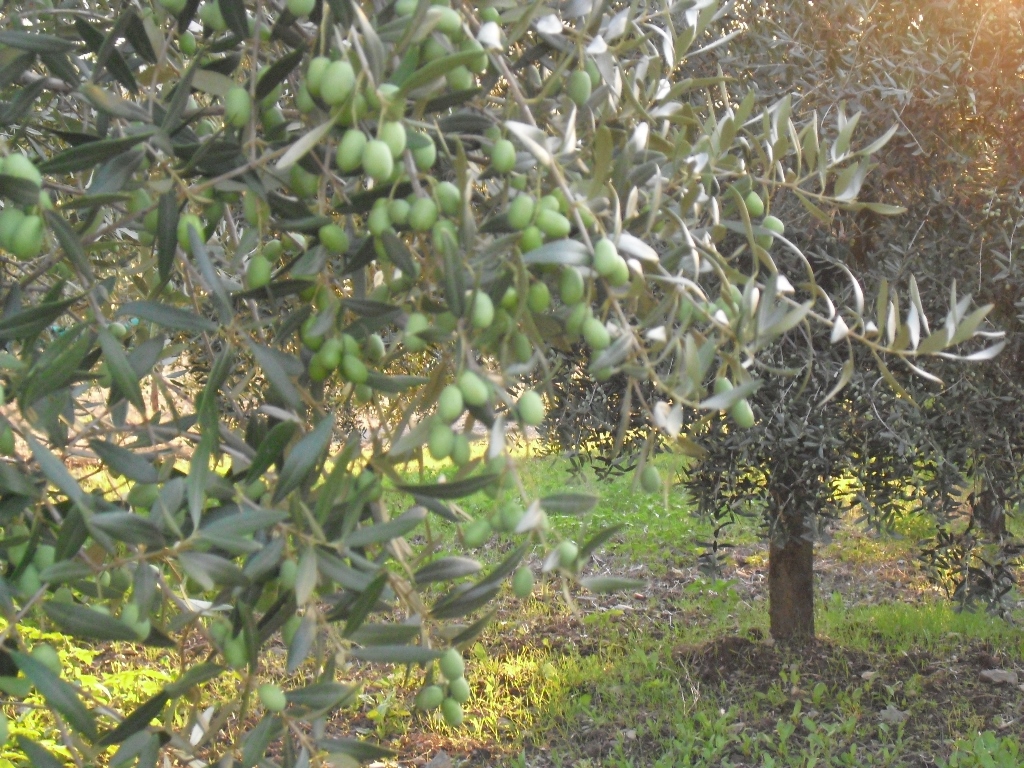
- 3Olives harvestedRotondella, Nostrale, Frantoio and Leccino, hand-picked each autumn
- 4Cold extractionWorked cold to protect flavour and aroma
- 5Bottled & sealed in ItalyEvery format is filled and sealed at origin
- 6Brought to CanadaShipped directly for our customers — no mystery middle steps
- 7Your kitchenBread, salads, pasta and everything in between
From the mill floor
This is what cold extraction looks like.
Photographed at Frantoio Quaglia in Roccadaspide during the October harvest. Olives in, paste, press, first oil out — the same day they were picked. Nothing is heated, nothing is added.

1 · Olives arrive at the mill, hours after picking

2 · Crushed to a paste, worked cold
3 · The paste goes through the press

4 · First oil out, still cloudy and green

5 · Straight into the vat, bottled at the mill
The first glass
Tasted at the mill before it is ever bottled.
The oil you get in the GTA is this oil — drawn from the same vat, sealed at the same mill, and shipped without ever being opened, blended or rebottled on this side of the ocean.
The oil, in detail
Producer
Frantoio Oleario Quaglia
Town
Roccadaspide, province of Salerno, Campania, Italy — 328 m above sea level
Milling since
1901
Olive varieties
Rotondella, Nostrale, Frantoio and Leccino
Harvest
Hand-picked, from the second half of October
Extraction
Cold extraction, traditional stone milling
Filled and sealed
In Italy, at origin
Brought to Canada
Directly, for our customers in the GTA
What UNAPROL is
Documentation, not a badge we borrowed.
UNAPROL is the Italian olive growers consortium — the largest association of olive producers in Italy. It runs a traceability programme that documents high-quality Italian extra virgin olive oil back to its production area, its producer and its batch.
Frantoio Quaglia participates in that programme. To be precise about it: UNAPROL traceability is a documentation and transparency programme, not a protected-origin mark like DOP or IGP, and we do not claim one. What it means in practice is that the paperwork exists to tie this oil to the place it came from.
The two details that matter
Bottled where it was made
Olive oil can legally be shipped in bulk, blended, and bottled thousands of kilometres from where the olives grew. A bottle can look Italian in every visual way and still say, in small type on the back, that it is a blend of olive oils from more than one country.
Filling and sealing at the mill removes every step in which the contents could change. Read the back of any bottle, ours included: look for a named town and a named producer.
Cold extraction, and what heat does
Extra virgin olive oil is made mechanically — no heat, no solvents. Under EU rules, cold extraction means the olive paste stayed below 27 °C.
Warming the paste pulls more oil out of the same olives. It also costs you the polyphenols, the vitamin E and the aromatics. Refined oils go further: heat plus chemical refining strips the oil to neutral and a little virgin oil is blended back in for taste. That is the difference between oil that tastes like fruit and oil that tastes like nothing.

You cannot buy this off a shelf in Canada.
Quaglia has no Canadian supermarket distribution. It comes from the mill in Roccadaspide, or it does not come at all.
See the sizes